Toni Kuhn

February 9, 2013
by Toni
0 comments

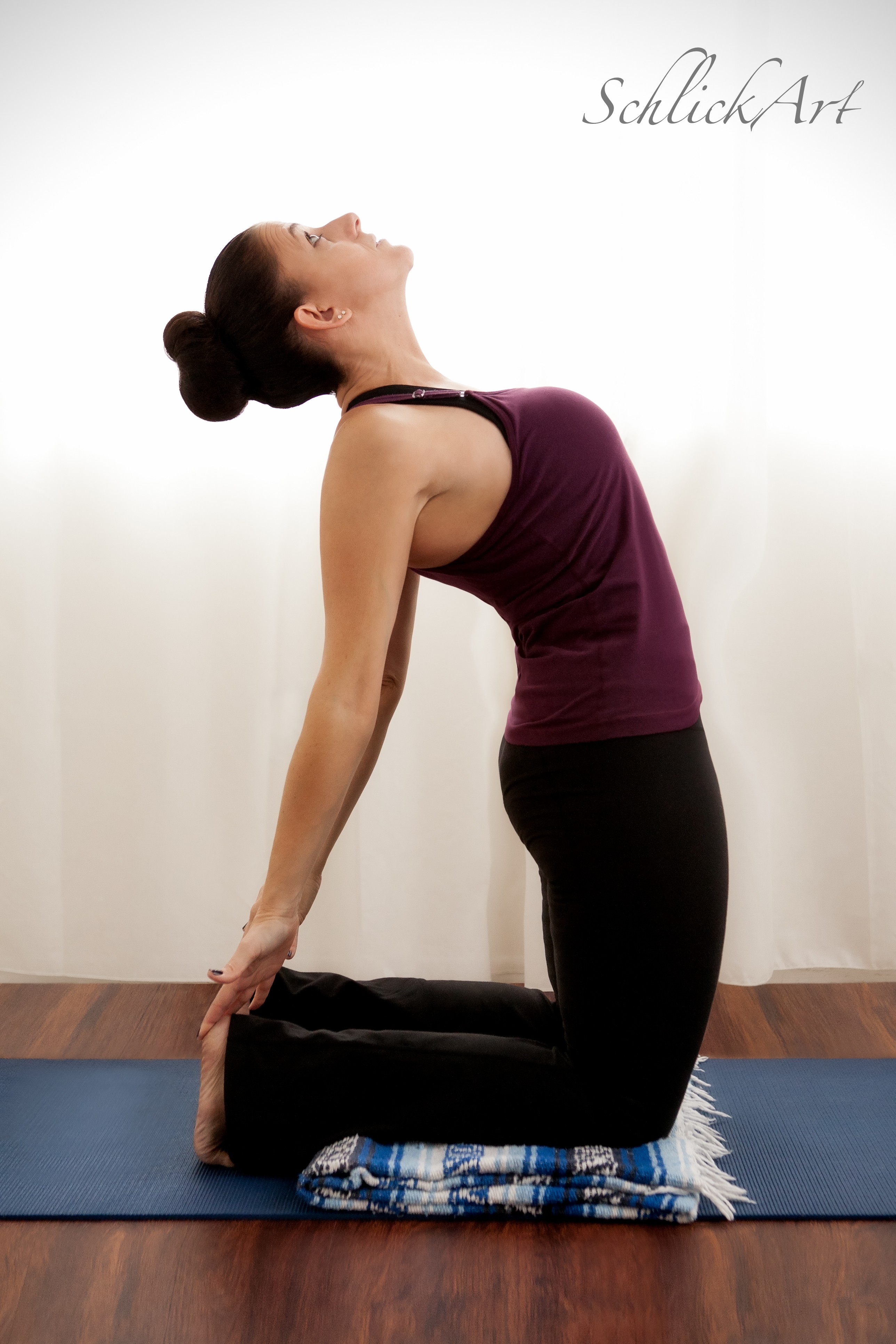
Ustrasana (Camel Pose)

Ustrasana ( Camel Pose)

Ustrasana (Camel Pose)

As Valentines Day approaches this week, allow yourself  to open your heart to others and to yourself. Learn to love who you are, what you have, and where you are going. Utilize poses such as camel to help release constrictions around your heart. After practicing this pose you will feel liberated and filled with peace.

Here are some teaching tips:

  • Start on all fours and then bring your torso up.
  • Have your feet and legs hip distance apart.
  • Draw your buttocks towards the back of your knees and spin your inner thighs back.
  • Lift your frontal hip bones.
  • Lengthen your spine from the pelvis to the crown of the head.
  • Lift your chest toward the ceiling spread your collar bones wide.
  • Draw your shoulder blades in and continue to lift your chest.
  • Rotate your arms behind you and place your hands on your tail bone- fingers down.
  • You may stay here or reach for your feet.
  • Slightly gaze upward.
  • Hold 5 breaths and slowly release.
  • Sit on your heels for a moment with your palms on your heart.
  • Embrace the love and inner peace.



February 6, 2013
by Toni
0 comments

Acceptance

acceptance sign

When you can learn to accept yourself for who you are, with all of your imperfections and beauty, you will find peace. This week, try to let go of what you think you should be able to do in your yoga practice. Be content with what your body can do in this moment. Remember, your body is very complex and has many jobs to do. Like moving and carrying you around, keeping you alive, keeping you functioning through the world and giving you the power to think. Accept your body and honor what it does for you. So look beyond the imperfections and see the uniqueness that is you. Once you can accept yourself  for who you are, you will be able to accept your life as it is. Look beyond your imperfections.

“Being happy doesn’t mean that everything is perfect. It means that you’ve decided to look beyond the imperfections.”- author unknown


February 2, 2013
by Toni
1 Comment

Adapting Yoga To Our Bodies

Chair Yoga

Chair Yoga

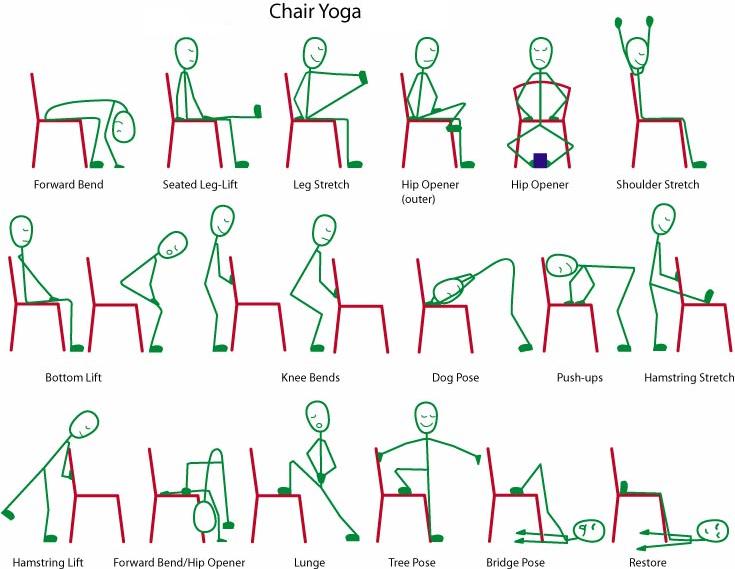
Some yoga poses may be more difficult to do if we struggle with flexibility, balance, arthritis, or are recovering from an injury. Using props such as chairs, blocks, blankets, bolsters, straps, and the wall, will help you get into poses easily and safely. All poses can be modified in some way or another to make them more successful. If you can learn to adapt yoga to your body, you will maintain a safe and healthy practice. Not sure how to use props and modifications? Come take one of my yoga classes or sign up for a private lesson. I can help you create a “tool box”of tricks, tips, and modifications to help you get the most out your yoga practice.

January 26, 2013
by Toni
0 comments

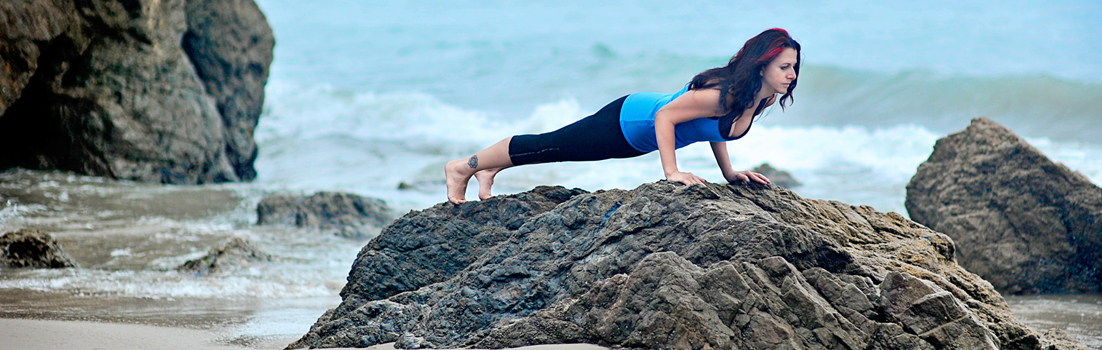
Chaturanga Dandasana ( Four Limbed Staff Pose)

Chaturanga Dandasana ( Four Limbed Staff Pose)

Chaturanga Dandasana ( Four Limbed Staff Pose)

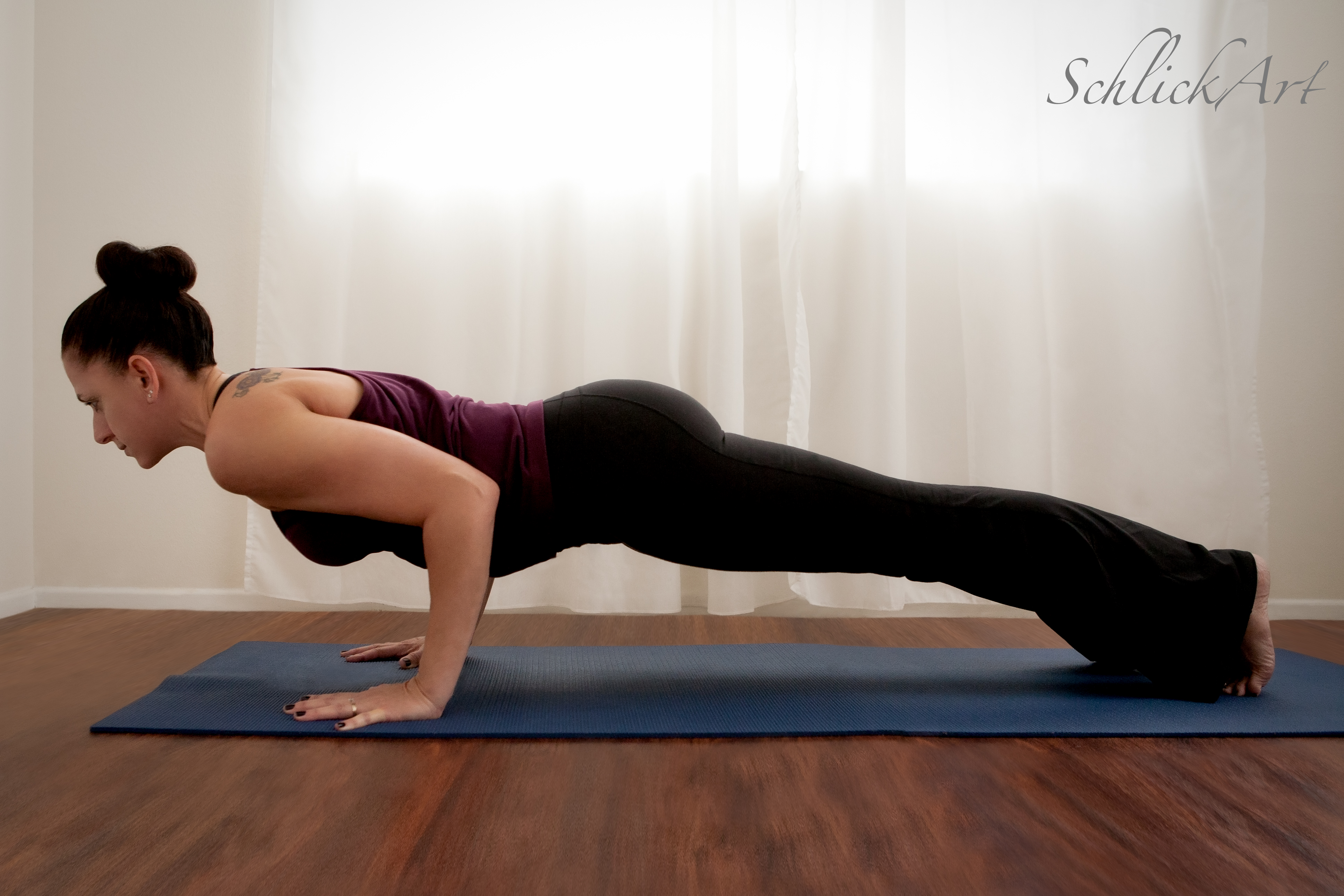
This week we will continue to focus on core strength. When you are able to truly feel your entire core working in unison, Chaturanga Dandasana becomes easier, and you begin to feel a sense of lightness with this pose. Keep in mind, we are trying to use the body as one unit and trying not muscle this pose with our arms. The next time you try this pose, imagine yourself light, in control, and let go of the need to “push” in this pose. You can always set your knees on the floor, or simply practice lowering all the way to the floor first. Lastly, free yourself of emotional baggage so it does not weigh you down.

Here are some teaching tips:

  • Warm up your body first with a several half sun salutes.
  • Stretch your chest ,shoulders, and hamstrings
  • Start from Down Dog- hold this for 5-10 breaths to complete your warm up.
  • Bring your body into plank.
  • Engage your core and thighs.
  • Draw your buttocks towards your heels, and press your heels back.
  • Shift your body slightly forward so your shoulder are in front of your wrists.
  • Bend your elbows and  look forward as you lower yourself half way down.
  • Draw your elbows into your waist and spread your collarbones wide.
  • Continue to engage your thighs.
  • Try to hold 2-4 breaths.
  • Press back up to plank, and then to down dog. ( or simply lower to your belly)
  • Relax in child’s pose- You did it! : )


January 23, 2013
by Toni
0 comments

Contentment At The Core

Happy Buddha

Happy Buddha

Your core is the central location for emotions such as stress,  anger, fear, sadness, and anxiety. The next time you experience these feelings, pay attention to how your stomach feels. Explore your reactions and ask yourself this question – “Do I need this in my life”?  Clearing out things that we do not want in our lives opens us up to more joy and peace. Imagine how you would feel if you simply let go of that emotional baggage.

Additionally, your core holds emotions such as  peace, joy, pleasure, and our intuitions.

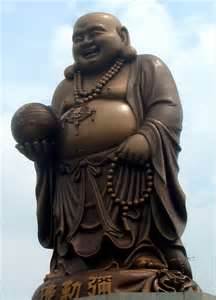
Buddha has a nice round belly and a smile. You can see that he is content and happy. So get rid of your need for a six-pack core, and embrace your core, take care of it and open up space for abundance.

“There is no end to craving. Hence contentment alone is the best way to happiness. Therefore, acquire contentment.” –  Swami Sivananda


January 19, 2013
by Toni
0 comments

Core Strength

Side Plank

Side Plank

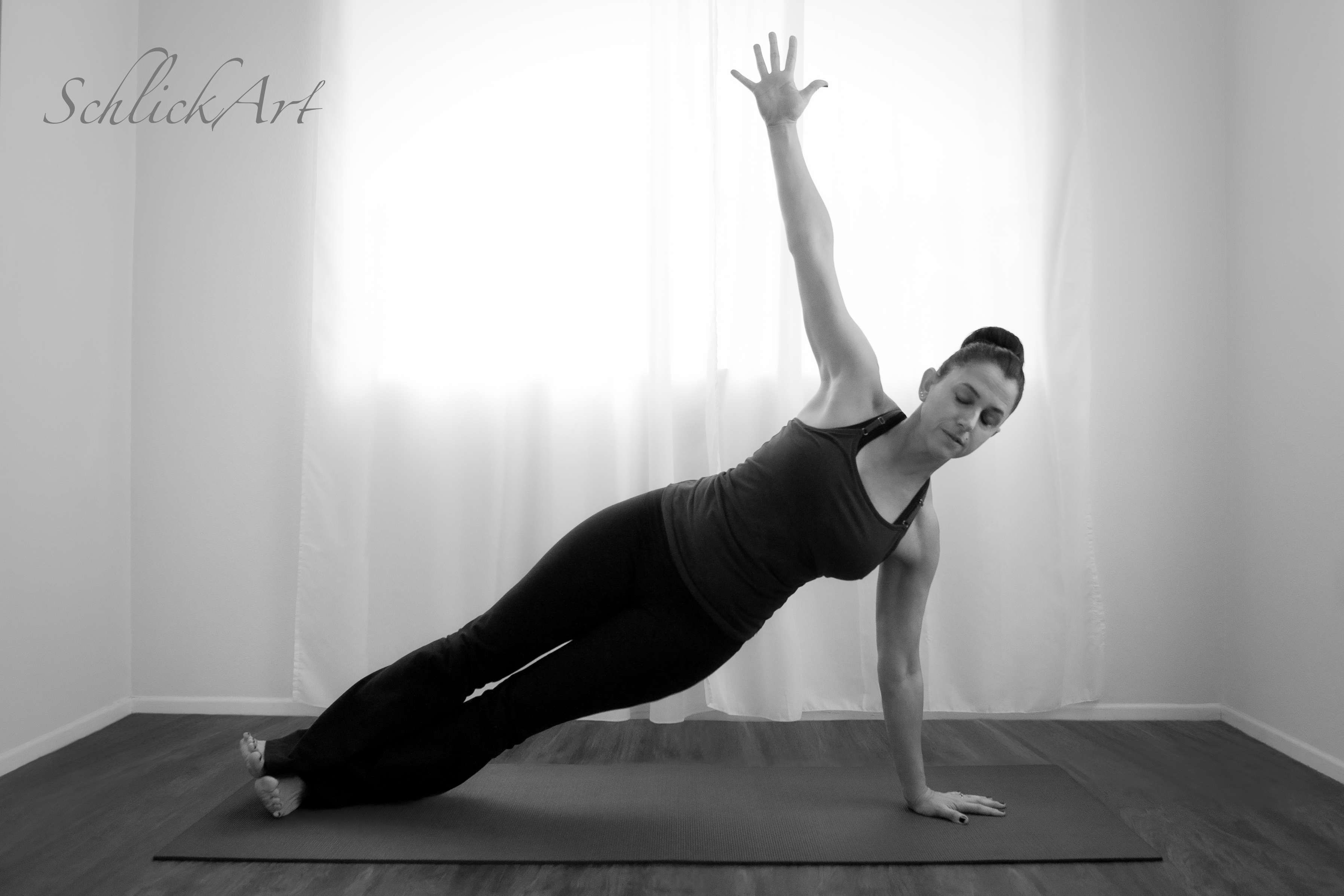
This week we will be focusing on core strength in class. I would like to think beyond the appearance of your abs and more about functionality. Recent studies confirm that six-pack abs do not  necessarily equal a strong core. The core has many layers and functions, including helping us to be emotionally stable. Additionally,  it supports your back, helps you balance, helps you move your body, and perform yoga asanas with more awareness and safety.

Read more on the the subject below from Yoga Journal.com

By Rachel Brahinsky

The core, says senior Anusara teacher Desirée Rumbaugh, “is what supports us spiritually in our lives, and physically in our yoga practice. If our core is weak, the ups and downs of life are much harder to take. A strong core makes us more resilient.”

The Core of Health

In terms of asana practice, core abdominal strength improves nearly every pose, offering a sense of balance and ease. When you step off of the mat, there are lots of other good reasons to be strong in the core, perhaps most obviously to support the lower back. Weakness in the core can result in “overrotations in the vertebrae of the lower back, which leads to degenerative disk disease and arthritis,” according to physical therapist Harvey Deutch.

Limp abs often contribute to trouble in the sacroiliac joint, Deutch adds, explaining that the joint—where the sacrum meets the illium, the large pelvic bone—can be subject to strain when the core isn’t sufficiently toned. And, says Deutch, if you begin overstressing one joint, you may start to misuse another, causing further injury.

“If we’re weak in the core, our digestive fire is weak,” adds Ana Forrest, founder of the Forrest Yoga Institute in Santa Monica, California. This can cause constipation, which then brings on “chronic exhaustion, because we’re not absorbing nutrients,” and which pollutes the blood stream and can muddy the mind, leading to unclear thinking and gloomy moods. Core work, on the other hand, “quickens the blood and gets oxygen moving” throughout the body.


January 16, 2013
by Toni
0 comments

Clearing Your Mind

London

London

January 15, 2013
Allowing Spirit In
Clearing Your Mind

by Madisyn Taylor

The more we practice settling our minds, the easier it will become over time.

After a full day out in the world, stories, words, images, and songs from any number of sources continue to play in our heads hours after we encounter them. Even as we lie in bed, in the quiet dark, our minds continue noisily processing all the input from our day. This can leave us feeling unsettled and harassed. It also makes it difficult to take in any new information or inspiration. Like a cluttered house that needs to be cleared if it is to have room for movement and new life, our minds need clearing if they are to be open to new information, ideas, and inspiration.

Too often, the activities we choose to help us relax only add to the clutter. Watching television, seeing a movie, reading a book, or talking to a friend all involve taking in more information. In order to really clear our minds, we need a break from mental stimulation. Activities like yoga, dancing, or taking a long walk help to draw our attention to our bodies, slowing our mental activity enough that our minds begin to settle. Deep breathing is an even simpler way to draw attention away from our mental activities. Once we are mentally relaxed, we can begin the process of clearing our minds. Most of us instinctively know what allows our minds to relax and release any unnecessary clutter. It may be meditation or time spent staring at the stars. Whatever it is, these exercises feel like a cool, cleansing bath for the brain and leave our minds feeling clear and open.

Setting aside time to clear our minds once a day creates a ritual that becomes second nature over time. Our minds will begin to settle with less effort the more we practice. Ultimately, the practice of clearing our minds allows us to be increasingly more open so that we can perceive the world as the fresh offering it is, free of yesterday’s mental clutter.

For more information visit dailyom.com

January 12, 2013
by Toni
0 comments

Arthritis Workshop

Arthritis Flyer

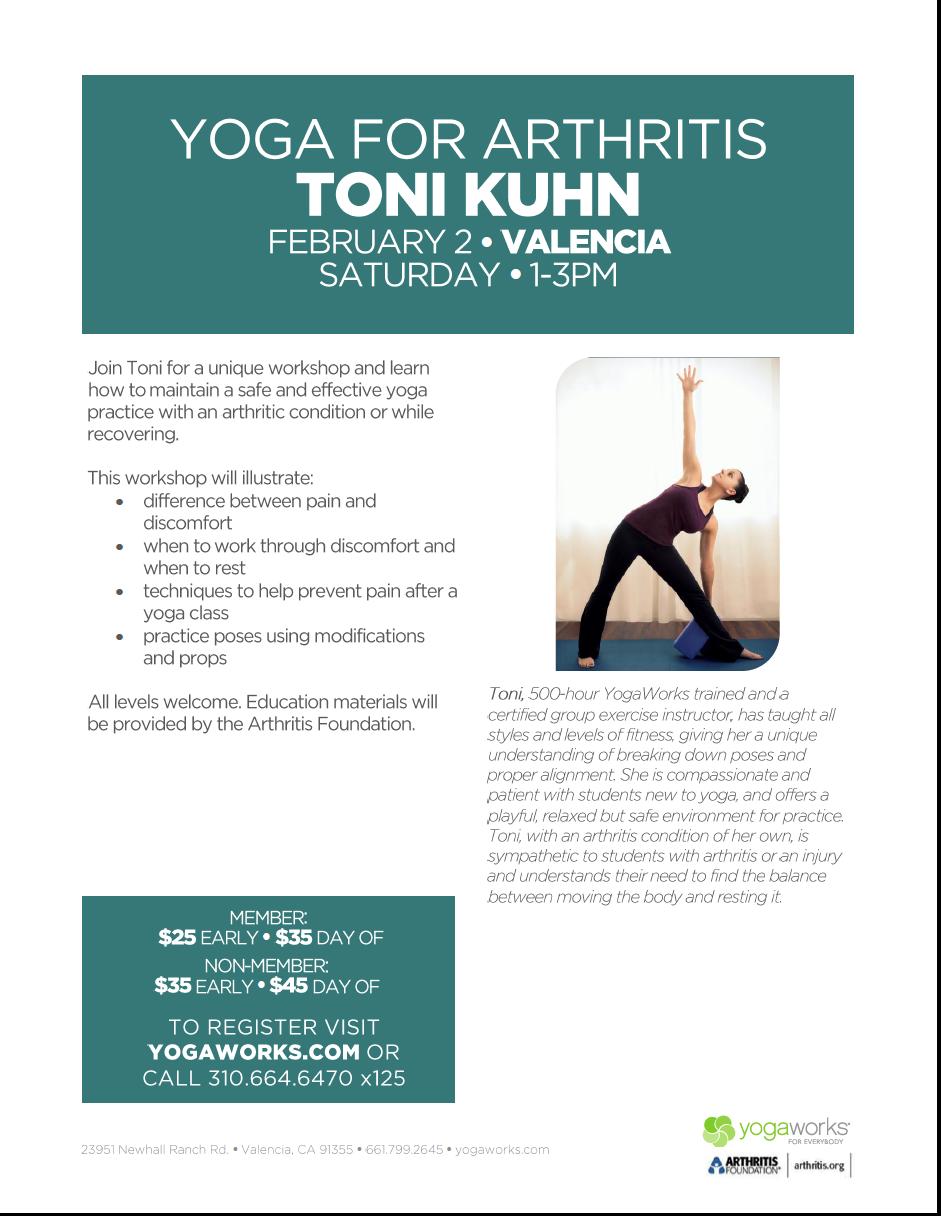
I am teaching this Workshop at Yoga Works in Valencia on Saturday February 2, 2013. To sign up you can visit yogaworks.com or call (313) 664-6470 X 125.

This workshop will help you utilize yoga if you are recovering from an injury, or have arthritis. My goal is to help you understand how to modify your yoga practice with the use of props so that you can continue your practice safely. Many times when we have joint pain we tend to shy away from exercise. I will help you to understand the difference between pain and discomfort and how to work within your limitations. This workshop is  just the beginning.  The tools I give you will help you to continue to find ways to mold your yoga to your body,  and hopefully, it will give you the confidence to take a class without the fear of pain. We are all very different, and it takes time and patience to find what works for us. Through my own arthritic experience , I have learned how to adapt yoga to my body so that I can continue to enjoy this very healing practice.


January 9, 2013
by Toni
2 Comments

Make New Mistakes

ocean buddha

“I hope that in this year to come, you make mistakes.

Because if you are making mistakes, then you are making new things, trying new things, learning, living, pushing yourself, changing yourself, changing your world. You’re doing things you’ve never done before, and more importantly, you’re Doing Something.

So that’s my wish for you, and all of us, and my wish for myself. Make New Mistakes. Make glorious, amazing mistakes. Make mistakes nobody’s ever made before. Don’t freeze, don’t stop, don’t worry that it isn’t good enough, or it isn’t perfect, whatever it is: art, or love, or work or family or life.

Whatever it is you’re scared of doing, Do it.

Make your mistakes, next year and forever.” ―Neil Gaiman

January 5, 2013
by Toni
0 comments

Urdhva Dhanurasana

Urdhva Dhanurasana (Upward Facing Bow Pose)

Urdhva Dhanurasana (Upward Facing Bow Pose)

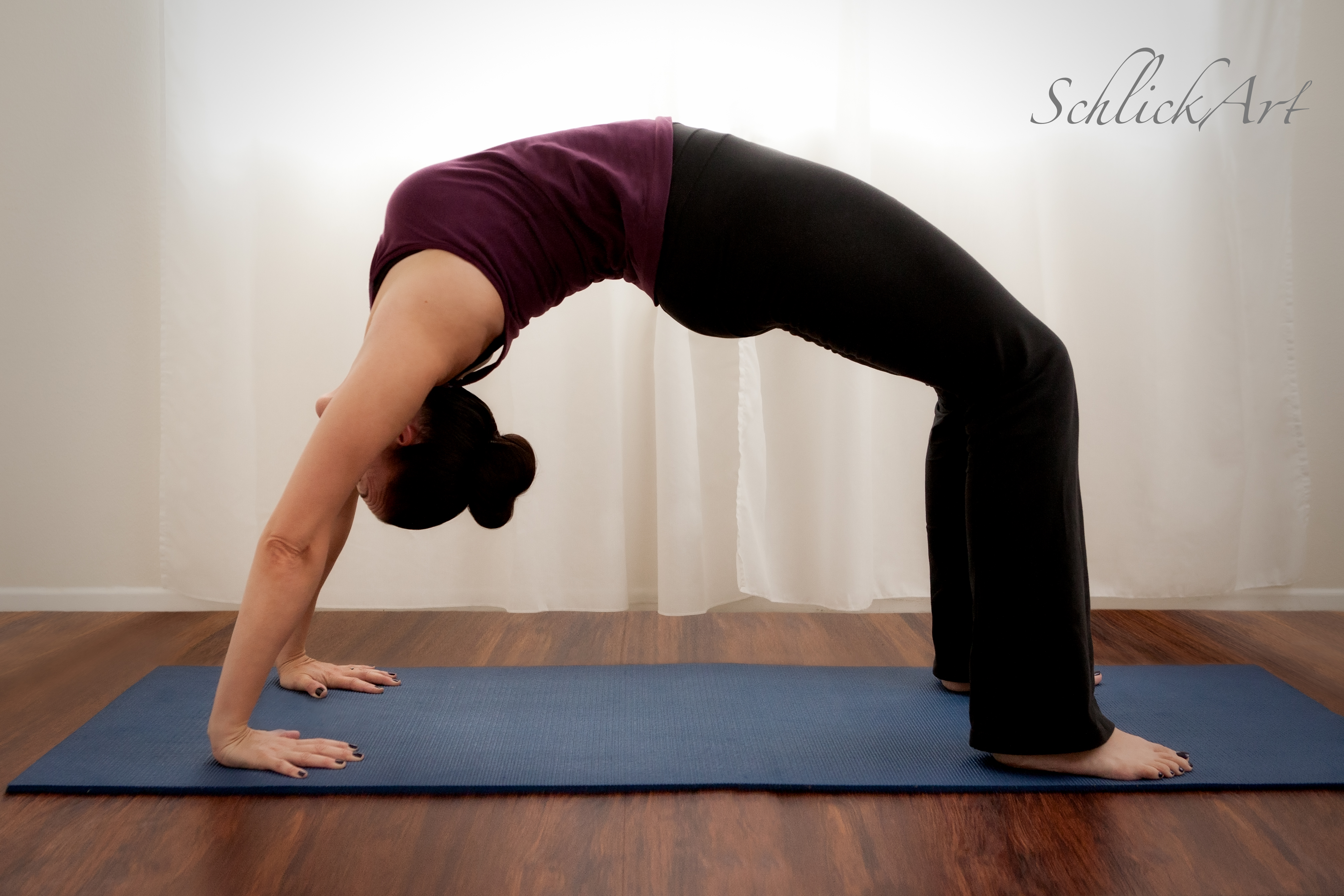
This week we will focus on backbends in class. Urdhva Dhanurasana is one of the more challenging poses and should only be practiced after a very thorough warm up. When done properly, this pose builds strength, opens the chest, stretches the abdomen, the shoulders, and the hip flexors. It also creates mobility and flexibility in the spine. This pose is a very deep backbend and you can use props to make the pose more accessible. There are many variations of this pose and modifications. All of which will still give you the benefits I listed. So look as this pose as a framework for what your body allows you to do and practice it with ahimsa ( no harm).

Here are some tips:

  • Start on your back, knees bent, and place your hands by your ears.
  • Keep your legs hip distance and draw your buttocks towards the back of your knees.
  • Press the shoulder blades into the chest and shift your weight to your heels.
  • Lift your torso off the floor and lightly rest the crown of your head on the floor.
  • Move the frontal hips bones to the front ribs.
  • Spread your collarbones wide.
  • Continue to press into your heels and press your palms down as your straighten your arms to lift all the way up.
  • Continues to draw your buttocks towards your knees and spin your inner thighs down.
  • Hold a few breaths.
  • Slowly lower to the floor and rest.
  • Hug your knees into your chest and rock side to side.
  • Take a simple twist lying down.
  • Rest a few breaths and feel your energy levels increase.